
Mountains

Mountains are giant masses of rocks at least 600m high. They cover about a quarter of the Earth’s surface and are usually found in groups called ranges.
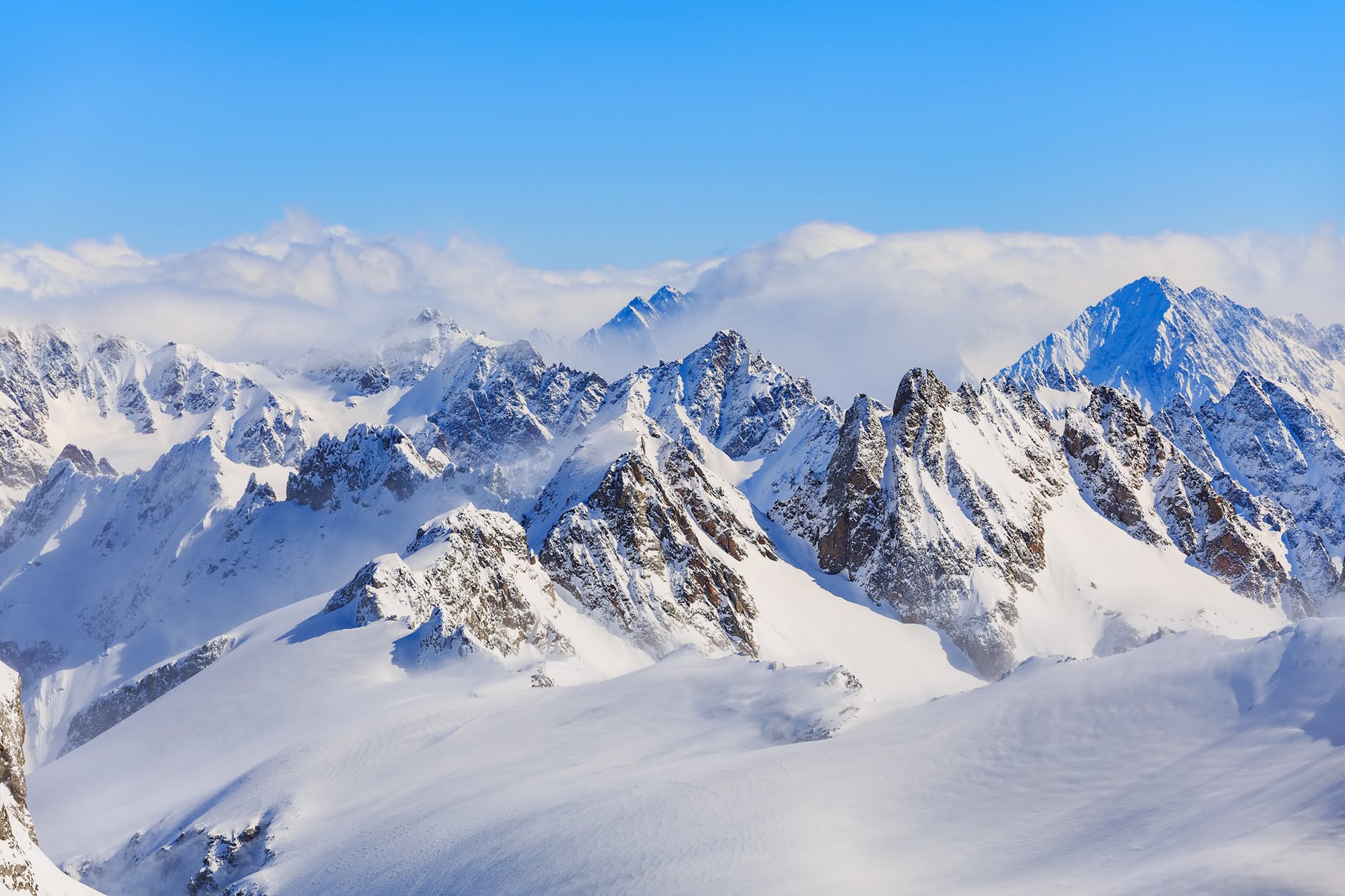
Photo by Denis Linine on Pexels.com.

Mountain building

The world’s tallest mountain ranges were formed when two of the Earth’s plates collided with each other, slowly pushing up the Earth’s surface. The process of mountain formation takes millions of years and is still going on today. The highest mountain range of all, the Himalayas, first began to form about 70 million years ago and still is rising about 1cm every year.
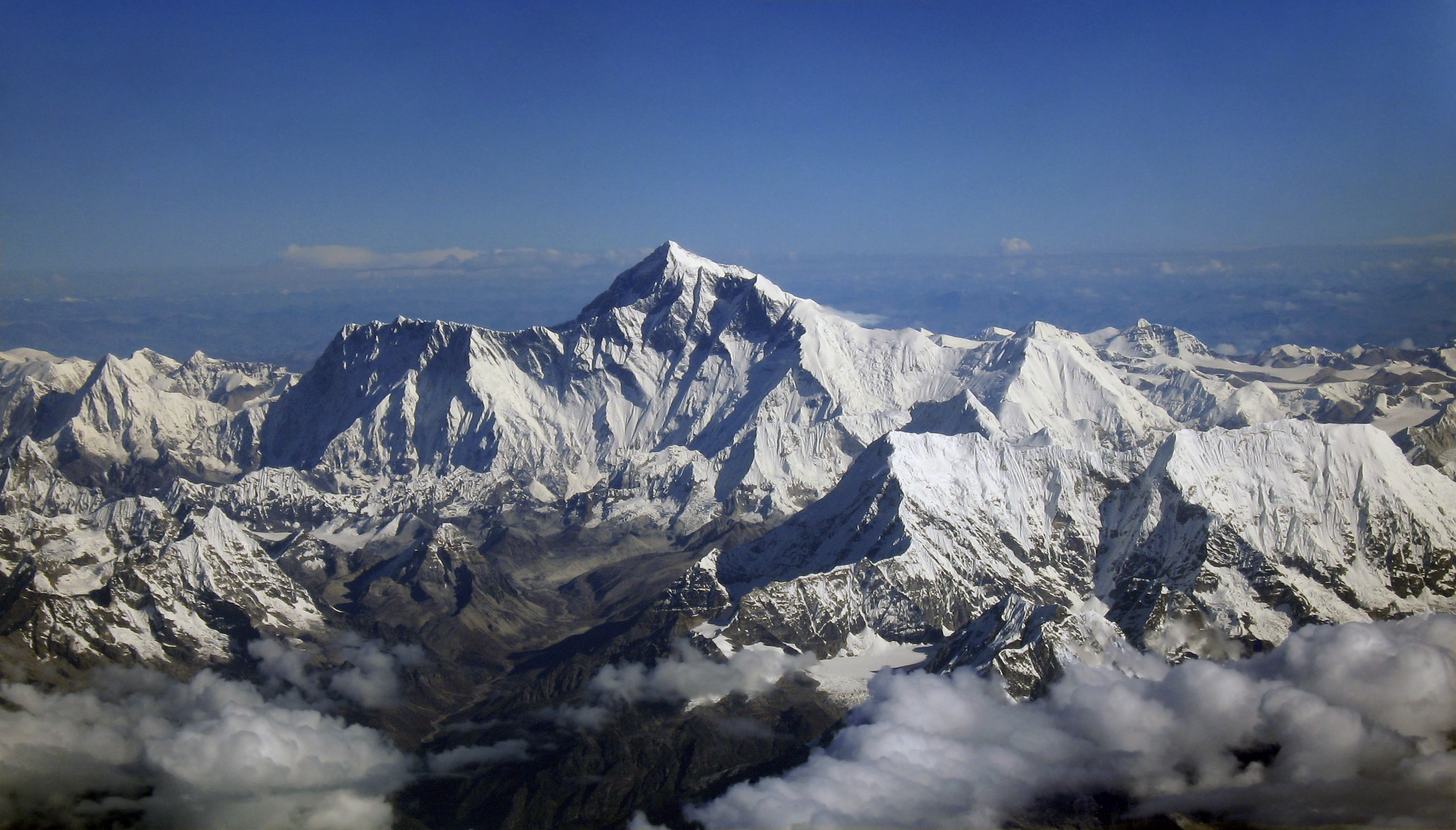
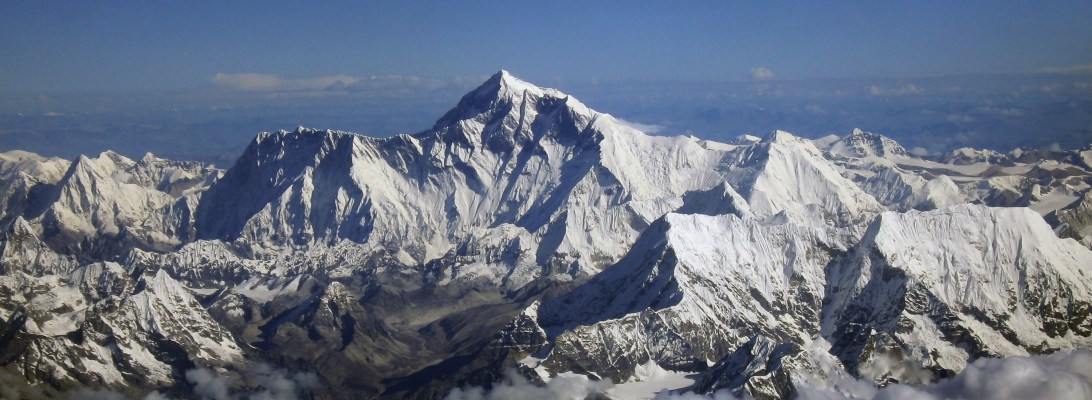
Mount Everest in the Himalayas, a range of fold mountains.

mountain shapes

Mountains are in different shapes. It all depends on how they formed. Fold mountains are created when rock folds upwards. Fault-block mountains form when giant blocks of rocks are pushed up. Dome mountains are pushed upwards by magma bulging from below. Plateau mountains are made when a wide section of flat land is pushed up.
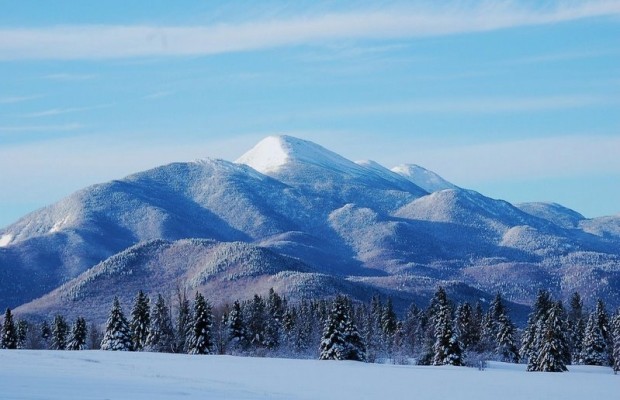
A dome mountain in the Adirondacks, USA.

Mountain Profile

At the bottom of a mountain there might be trees, but at some point it becomes impossible for them to grow. The place where they stop is called the tree line. Above it only tough plants such as mosses can grow. Higher still, no plants survive and there is often snow all year round. The line between where snow melts in summer and stays put all year round is called the snow line
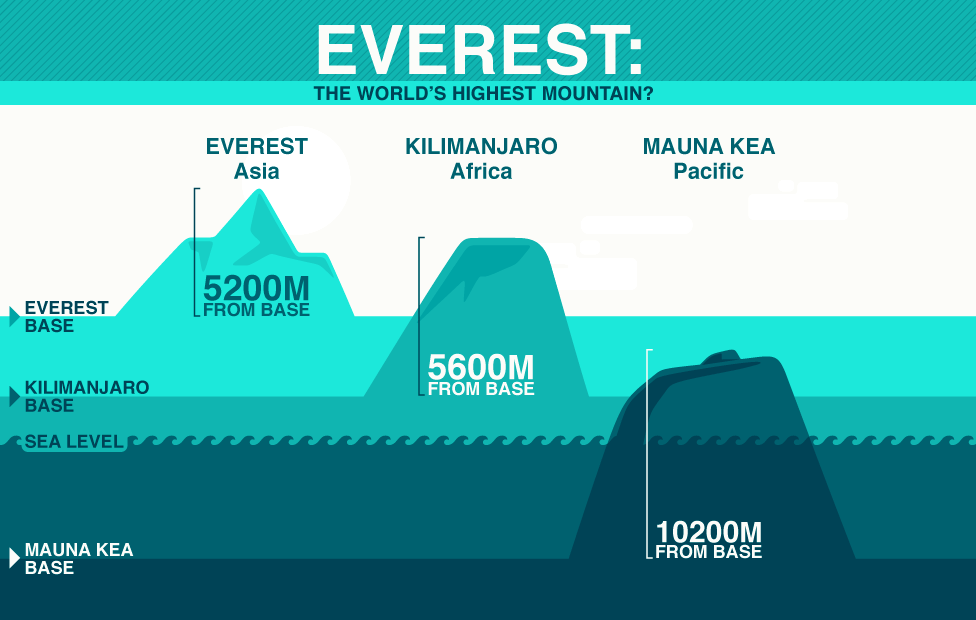
The tallest mountain on the planet is Mauna Kea, a volcano in the Pacific Ocean. It stands 10, 203 m tall, though it rises only 4, 205m above the sea. Meanwhile Mount Everest is the highest land peak, rising 8, 848m high.

Human Skin

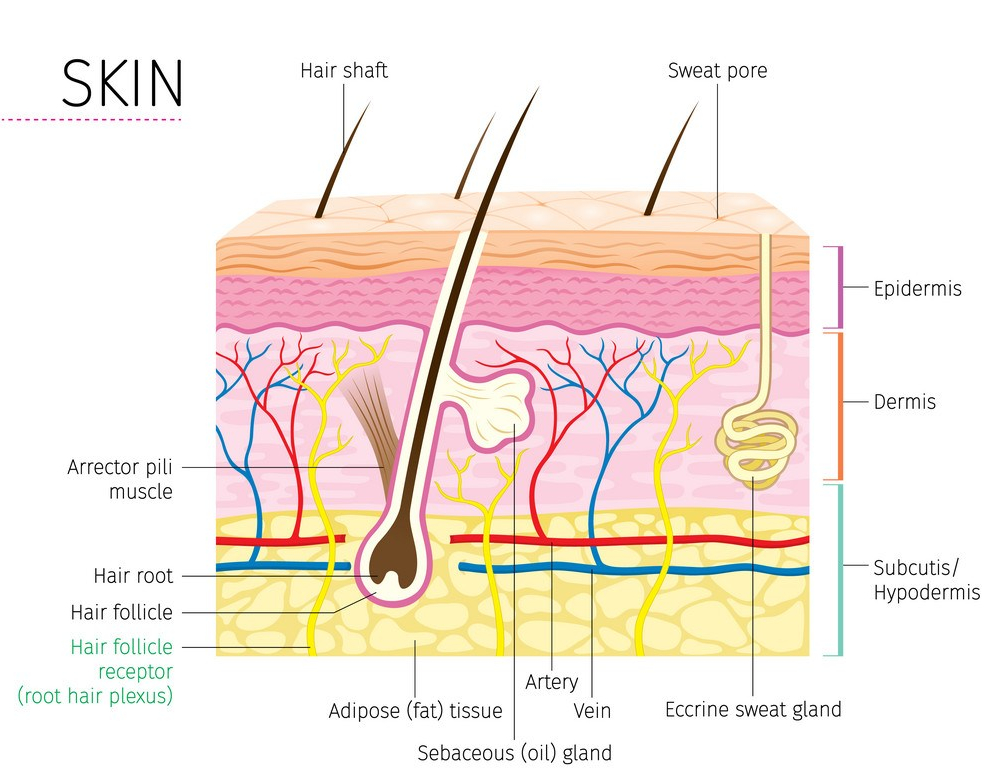
Skin

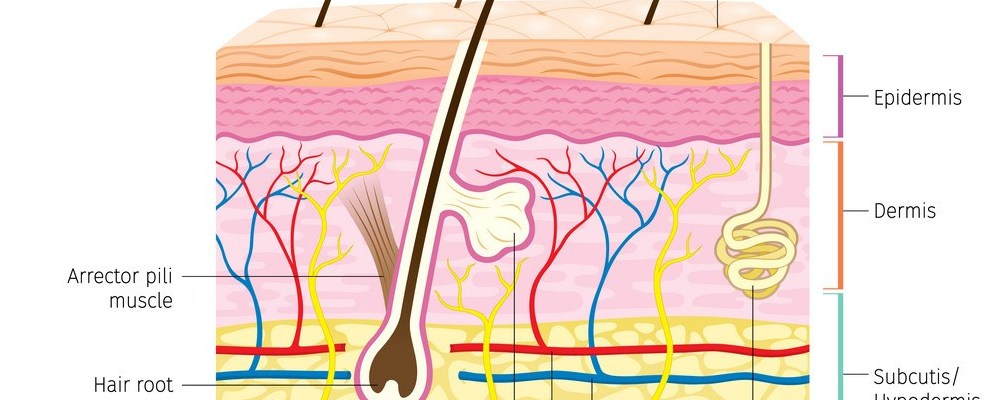
Skin is the largest organ in the body. It is stretchy, waterproof and packed with nerves that carry messages to the brain. Skin act as out first defense against bacteria and other harmful substances.

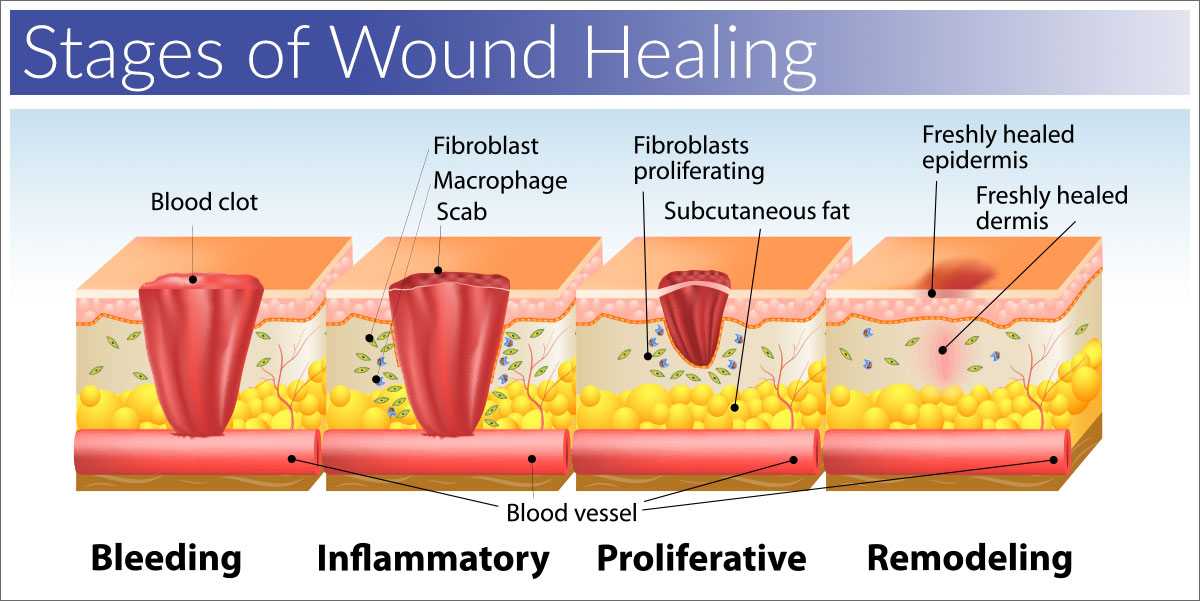
how skin heals

Image shows stages of wound healing

As soon as your skin is cut, your body springs into action.

  1. Blood starts to clot to stop the bleeding and forms a scab to protect the wound.
  2. Beneath the surface, white blood cells attacks any germs that might have got into the cut.
  3. New skin begins to form, starting from the outside edges and spreading towards the center.
  4. When the skin has heeled, the scab dries up and falls off.

SKIN MELANIN

Melanin is a chemical that is produced in the epidermis. It gives our skin its colour. When our skin is exposed to the sunlight, the cells make more melanin to protect it from the Sun’s ultraviolet (UV) rays.

  • Fair-skinned people have the least melanin. They often get freckles, which are small spots of melanin.
  • People with olive skin produce a medium amount of melanin.
  • Dark-skinned people have lots of melanin producing cells.